
 Image 1 of 5
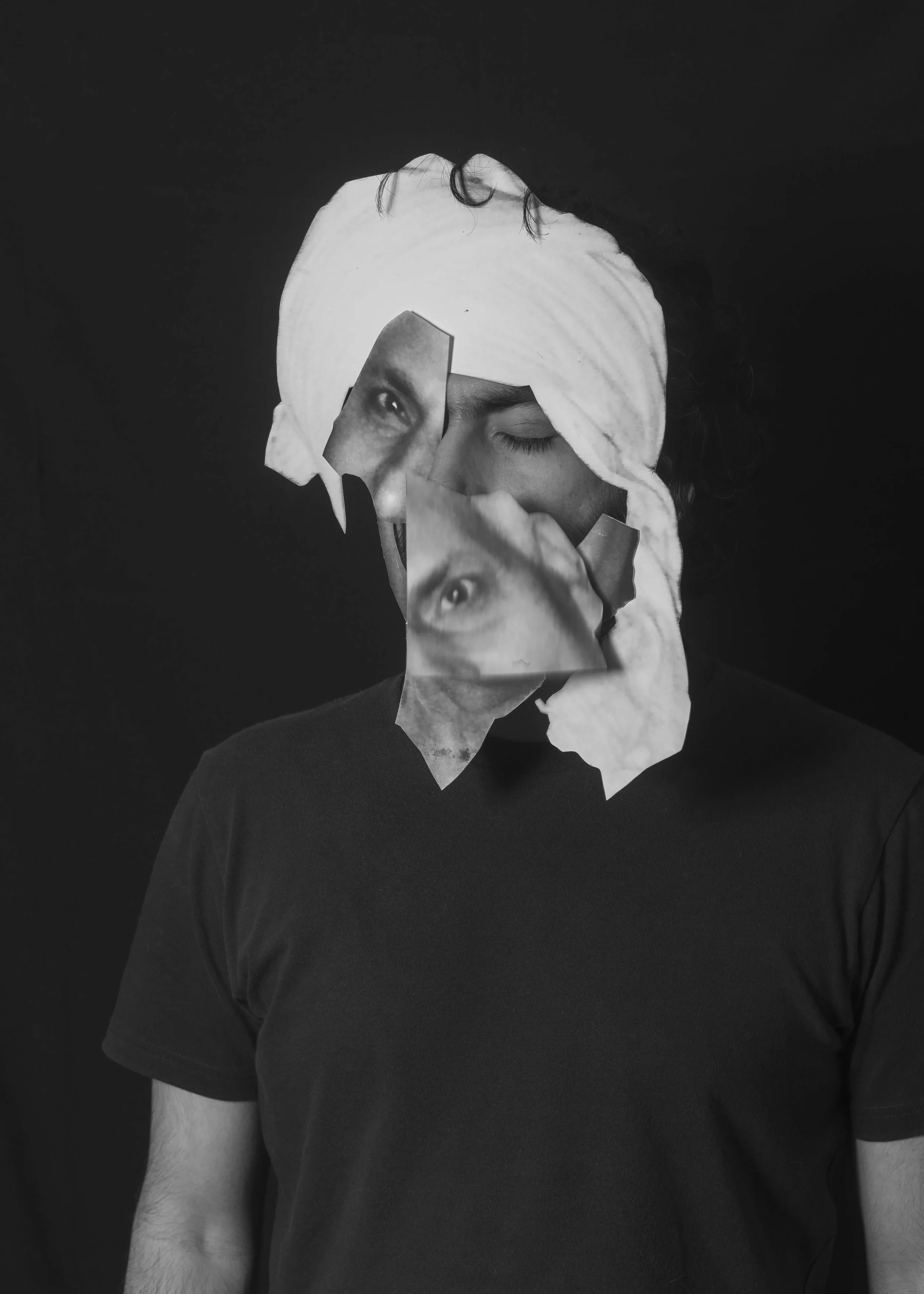 Image 2 of 5
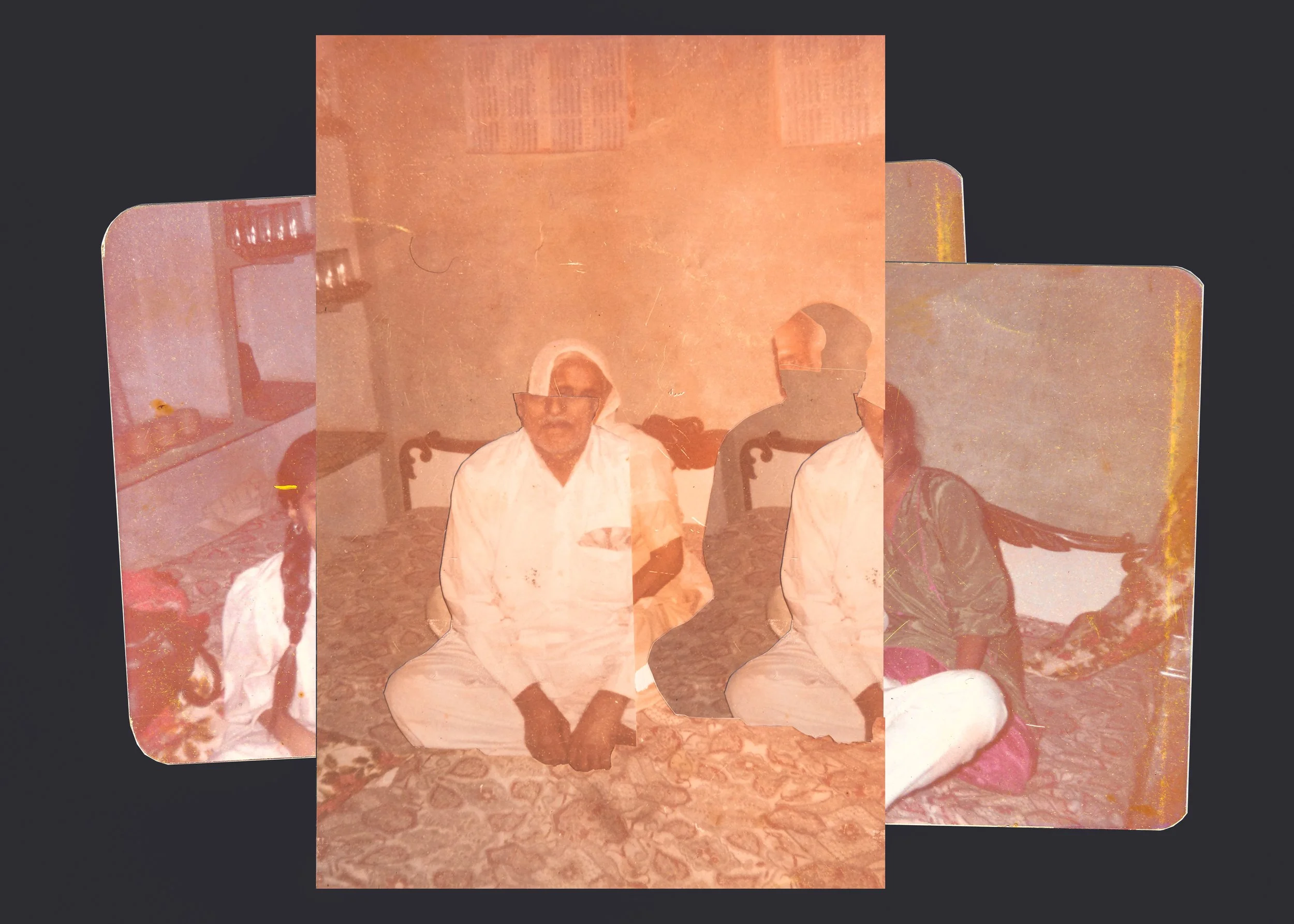 Image 3 of 5
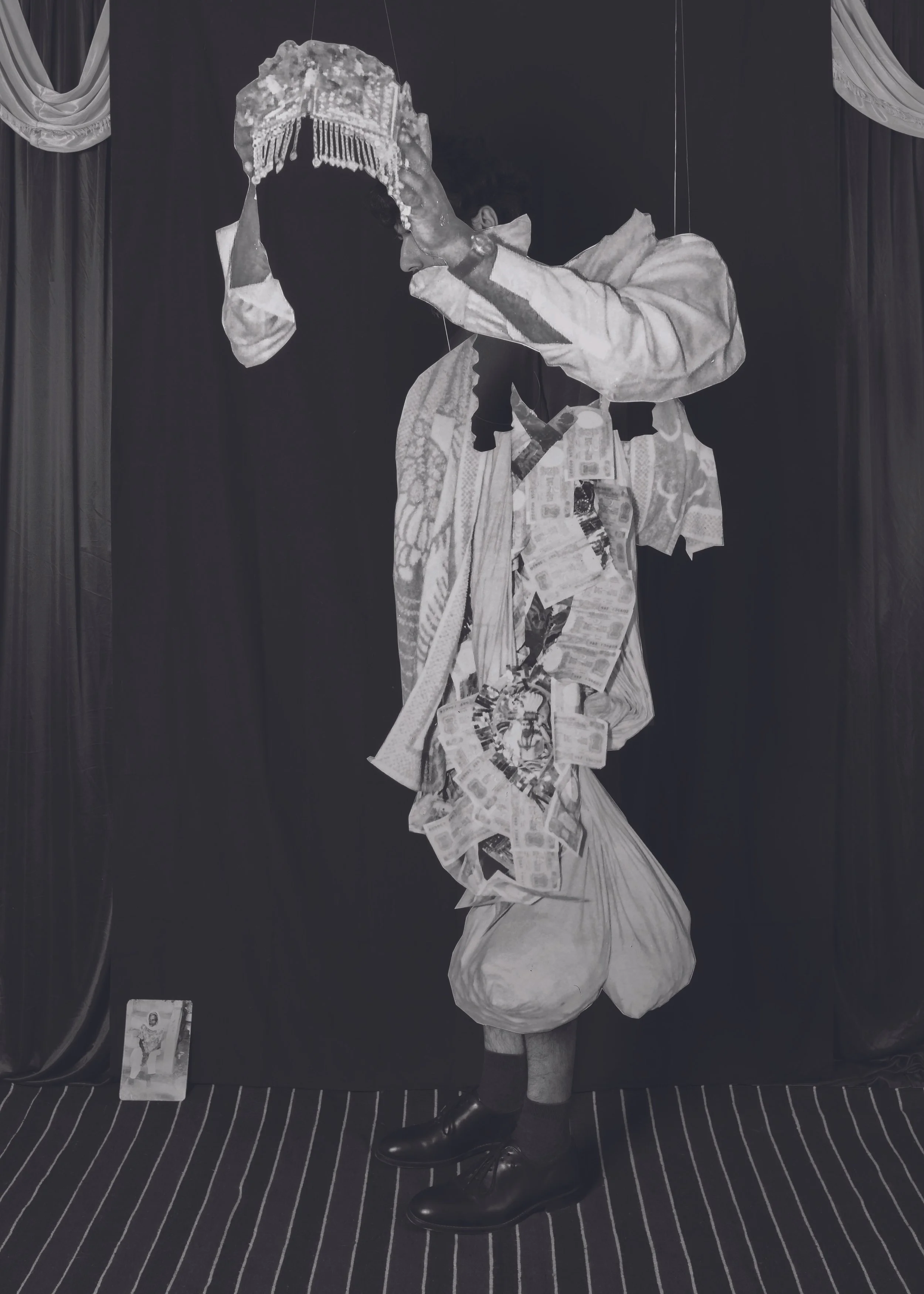 Image 4 of 5
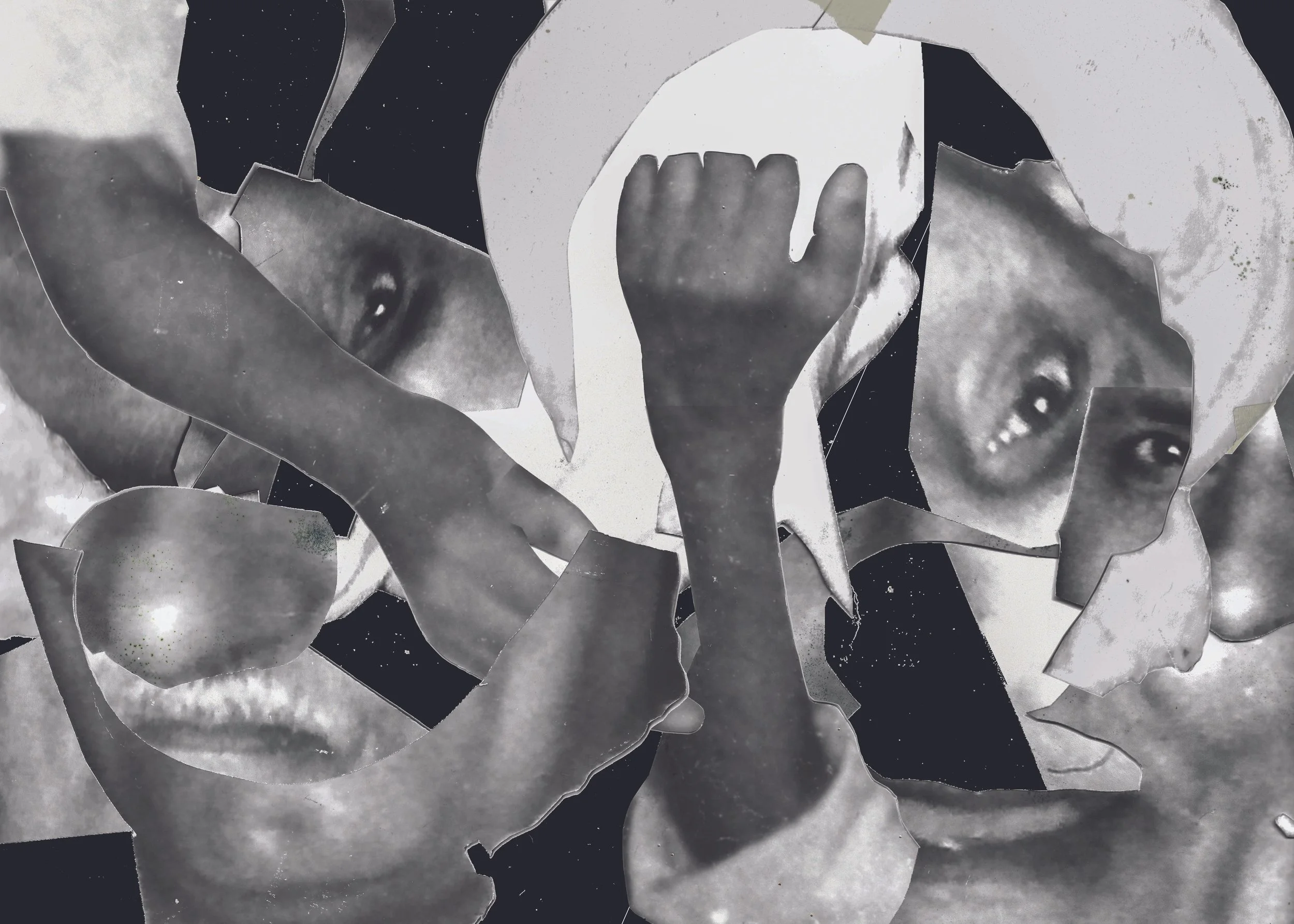 Image 5 of 5
Artist Volumes, Issue 3, 2026
Jatin Gulati is an artist who lives and works in India with a practice that spans across photography, drawing and text. Having a background in architecture as well as photography, he explores how dominant narratives are sustained through images, systems, and structures of authority. Experimenting with the limits of the photographic image, his work is informed by the domestic setting, particularly looking at the image of the patriarch and his post-partition family archive, further engaging with colonial histories and postcolonial conditions in independent India.
Effigy of Man is an ongoing series in which the artist converses with the images of the patriarch vis-a-vis his late grandfather in order to examine the intersectional nature of the role of men in his family—confronting norms, ideals and expectations that singularly define them. Gulati seeks to undo his grandfather's image by dismantling his gaze in order to see his grandfather. “The most beautiful image” (2025) in the book is a collage work with additional cutouts, which results in a physical puncturing of the poster image when the book is fully open. The title of this last image we see is fittingly “But again, to carry you is to remain hungry” (2024).
Gulati states: “Using self-portraiture and collage, my work tries to displace the image of the father figure, questioning the myth of the strong ideal man. Made in a studio set-up referring to a secluded interior space, I perform with the parts of my grandfather's male body. Understanding these men of my family from the position of displaced bodies themselves due to their migration histories, this series shifts away from an essentialist understanding of 'man' to explore the social 'construction' of masculinity while situating it within the feminist framework.”
In Carolina Semprucci’s essay “To Cut the Image Open,” she writes: “There’s a stubborn naivety in the literalness of the gesture, and in it an honest eagerness to dismantle more than a single man’s image […] It’s a suspicion of the image that drives the work, and a question about the role of visual codes in keeping men in place at every scale. Effigy of Man interrogates a shortcoming of the archive, in that the photograph preserves the performance yet remains incapable of revealing it as such.”
ISSN: 2981-5320
All rights reserved.
©Jatin Gulati
Images courtesy of the artist.
All works by Jatin Gulati.
Text by Carolina Semprucci and Jatin Gulati.
Photo editor: Cristina Velásquez
Text editor: Nechama Winston
Design and Art Direction: Cristina Velásquez
Typesetting: Raleway
Printed in Medellín, Colombia by Taller Artes & Letras.
First edition / 300 copies
2026